




Nicolás Maduro Moros is one of the most controversial political figures of modern Latin America, known for his rise from working-class roots to the presidency of Venezuela and for the dramatic international events that later defined his global image.
Born on November 23, 1962, in Caracas, Venezuela, Maduro grew up in a modest household shaped by labor activism and left-wing political thought. His early working life was far from elite politics. He worked as a bus driver and became active in transport workers’ unions, where he developed his political identity and reputation as an organizer. These grassroots experiences laid the foundation for his later political ascent.
Maduro entered national politics in the late 1990s, aligning himself with the Bolivarian movement led by Hugo Chavez. Over time, he became one of Chávez’s most trusted allies. He served as a member of parliament, then as foreign minister, where he represented Venezuela on the international stage and strengthened ties with governments opposed to U.S. influence in the region. In 2012, Chávez appointed him vice president, effectively naming him as his political successor.
Following Chávez’s death in 2013, Maduro assumed the presidency through a closely contested election. His years in power were marked by deep political polarization, economic collapse, and social unrest. Supporters viewed him as a defender of Venezuela’s sovereignty and socialist vision, while critics accused his government of authoritarianism, electoral manipulation, corruption, and widespread human rights abuses. During this period, Venezuela experienced hyperinflation, shortages of food and medicine, and one of the largest migration crises in the world.
Relations between Venezuela and the United States deteriorated sharply under Maduro’s leadership. U.S. authorities accused his government of involvement in drug trafficking and criminal networks, allegations he repeatedly denied, describing them as politically motivated attacks on Venezuelan independence.
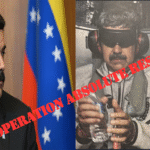
In January 2026, global attention intensified when U.S. officials announced that American forces had carried out military strikes in Venezuela and captured Maduro, reportedly transferring him to U.S. custody following orders from President Donald Trump. The announcement followed claims of escalating security threats and marked an unprecedented episode in the long and tense history between the two countries. At the time, details surrounding the operation were limited, and reactions across the world ranged from approval to condemnation, with debates continuing over its legality and implications.
Nicolás Maduro’s legacy remains unsettled. To some, he symbolizes resistance to foreign intervention; to others, he represents a period of profound national suffering. What is clear is that his life and leadership have left an indelible mark on Venezuela and on international politics in the 21st century.